Virtual Try-On vs Size Finder: What’s the Difference?
Compare virtual try-on and clothing size finders. Learn what each tool predicts, what information it needs, its limitations, and when to use both.
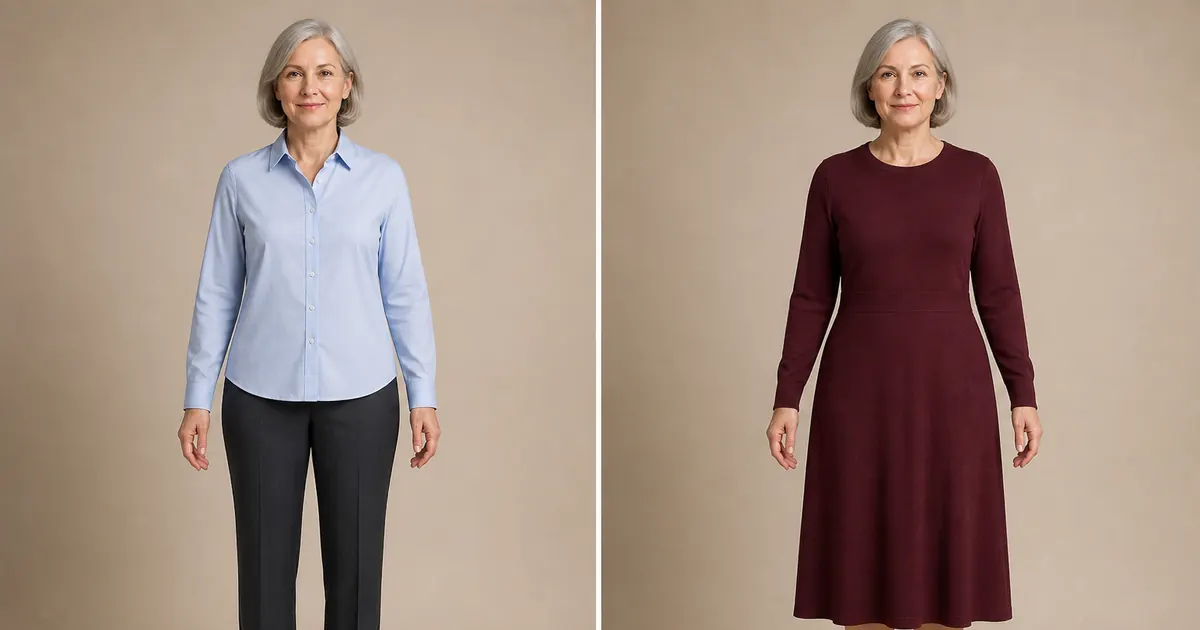
Virtual try-on and a clothing size finder solve two different problems. Virtual try-on asks, “How might this outfit look on me?” A size finder asks, “Which labeled size should I consider?” One produces or overlays a visual result; the other uses measurements and product data to recommend a size. Neither should be assumed to perform the other task unless the service clearly says it does.
For online shopping, the strongest workflow uses both kinds of evidence. Preview color, silhouette, neckline, layering, length, and overall styling with virtual try-on. Then confirm bust, chest, waist, hip, shoulder, sleeve, inseam, garment length, fabric stretch, and fit preference with sizing information before purchasing.
Virtual try-on and size finder at a glance
- Virtual try-on output: an image or live view showing the clothing with your appearance.
- Virtual try-on inputs: usually a personal photo plus a garment image, catalog item, camera feed, or selected style.
- Size-finder output: a recommended label such as XS, M, 10, 42, or a brand-specific equivalent.
- Size-finder inputs: measurements, height, weight, age range, fit preference, brand history, garment data, or previous purchases.
- Best combined use: choose the visual direction first, then investigate the physical size and return risk.
Original visual try-on examples
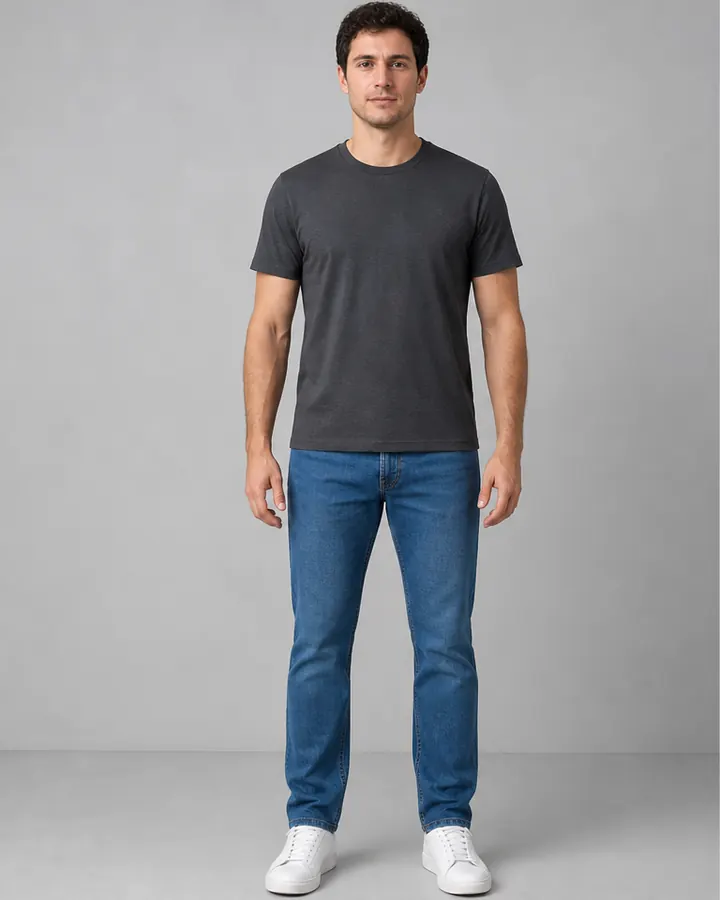
These fictional-model examples demonstrate what a visual AI try-on can contribute. The previews help compare outfit type, color, neckline, layering, and silhouette. They do not display measurements or claim that the shown garment is the correct physical size for either model.
The first pair previews a burgundy knit dress; the second previews a tan field jacket. Both answer an appearance question, while a separate sizing process would be needed before buying the real garments.
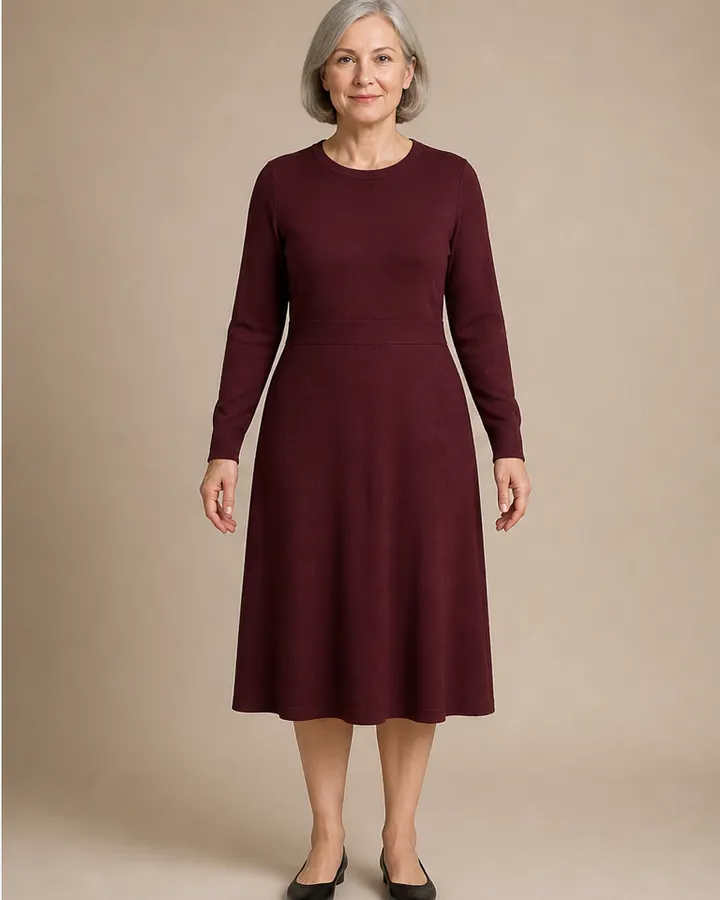
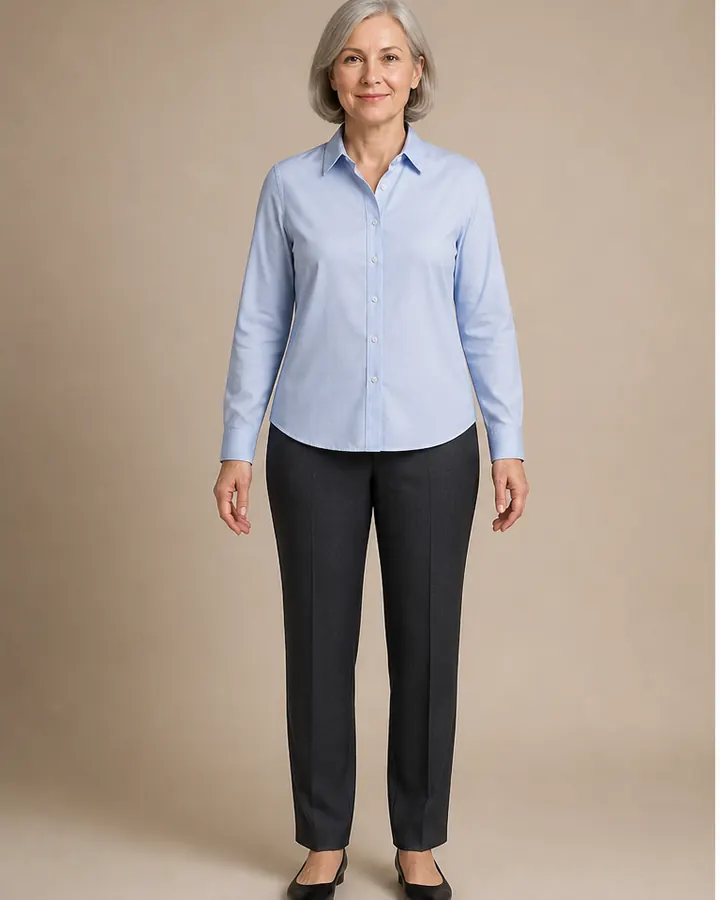 BeforeAfter
Women's visual try-on · Burgundy knit midi dress
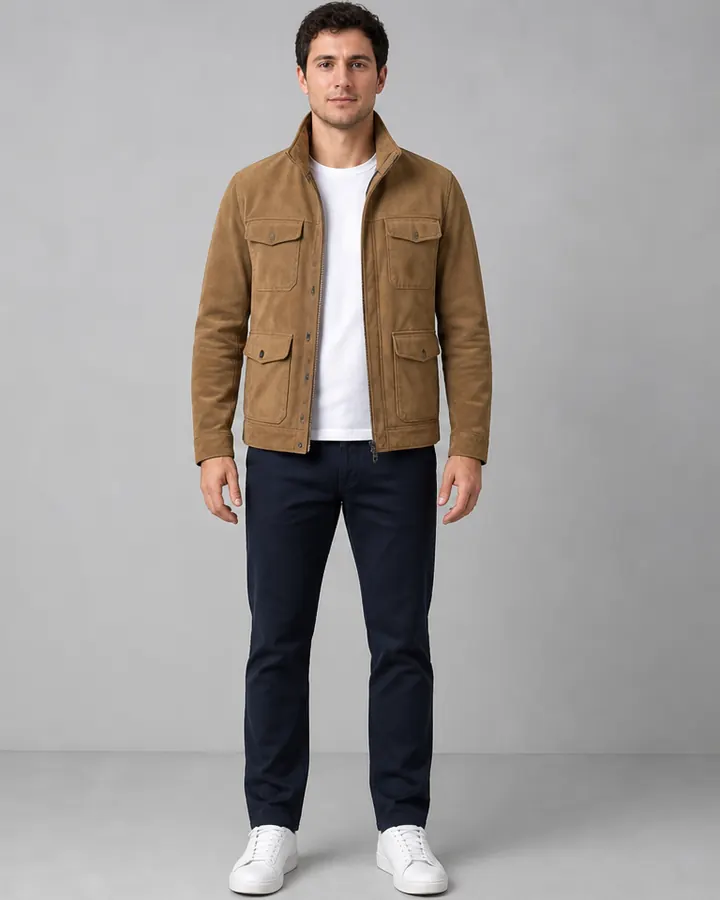
 BeforeAfter
Men's visual try-on · Tan field jacket layering
What virtual try-on is good at
A credible virtual fitting room helps you compare visible choices on a consistent photo. You can judge whether you prefer a crew neck or V-neck, a short or long jacket, a familiar or bolder color, a casual or formal layer, and how the garment changes the overall outline of the outfit. It can reduce a large catalog to a smaller list worth investigating.
It cannot feel fabric, test movement, inspect internal construction, or guarantee that the generated folds correspond to the real garment. Unless measurements are explicitly collected and processed for sizing, the apparent fit in the image is visual synthesis—not evidence that a particular size will button, zip, sit, or move correctly.
How a clothing size finder works
A size finder compares available information with the retailer's sizing system. A simple version maps your measurements to a chart. More advanced systems may combine height, weight, age range, body measurements, preferred fit, product cut, fabric, brand-specific sizing, purchase history, and aggregated returns. The output is normally a recommendation, confidence range, or comparison with a known item—not a styled image.
Why size recommendations can still be wrong
Two garments carrying the same size label can differ by brand, country, cut, season, fabric, and production batch. Stretch denim behaves differently from rigid denim; an oversized shirt is designed differently from a fitted shirt. Measurements can also be entered incorrectly, while individual preferences for close, regular, or relaxed fit vary. Treat a recommendation as useful guidance rather than a guarantee.
A practical workflow that uses both
- Use virtual try-on to compare two or three visually different products on the same photo.
- Discard previews that distort your identity, pose, proportions, hands, or garment details.
- Measure yourself using the retailer's instructions instead of relying on an old remembered size.
- Consult the size finder and compare its recommendation with the current product size chart.
- Read fabric, fit, model-measurement, review, delivery, exchange, and return information before checkout.
Know which promise the tool is making
Labels such as virtual fitting room, AI try-on, fit finder, body scan, and size recommendation are sometimes used loosely. Look for a plain explanation of the inputs and output. If a service only asks for a photo and produces a styled image, do not infer that it measured your body. If it requests measurements but shows no preview, do not expect it to answer whether you like the visual style.
Use any Try button on this page to open InFashi's visual clothes tool, or continue with the Android app from the action panel. Use the preview to choose what looks promising, then use measurements and retailer information to decide which real size to order.
Frequently Asked Questions
- What is the difference between virtual try-on and a size finder?
- Virtual try-on creates a visual preview of clothing on a person or photo. A size finder recommends a labeled size using measurements, fit preferences, brand data, product dimensions, past purchases, or return information. They answer different questions.
- Does virtual try-on tell me which size to buy?
- Not necessarily. Unless a tool explicitly performs measurement-based sizing, its generated image should not be treated as a size recommendation. InFashi focuses on visual outfit preview rather than calculating clothing size.
- Are online clothing size finders accurate?
- They can be useful when the retailer provides reliable garment data and you enter accurate measurements, but recommendations still depend on cut, fabric stretch, fit preference, body shape, manufacturing variation, and the quality of the underlying data.
- Should I use both virtual try-on and a size finder?
- Yes, when both are available. Use virtual try-on to compare visual style and use the size finder, size chart, measurements, product details, reviews, and return policy to make the sizing decision.
- Can a photo measure my body accurately?
- Some specialized tools estimate measurements from photos, but results depend on calibration, camera distance, pose, clothing, and implementation. A normal AI outfit preview is not automatically a body-measurement system.
Try it on InFashi
Upload a photo in your browser, or download the Android app and preview your look on your phone.